
The history of Château Fleur Ursuline is rooted in generations of family farming. The milestones below trace the estate’s development in Saint-Émilion and its commitment to organic viticulture.
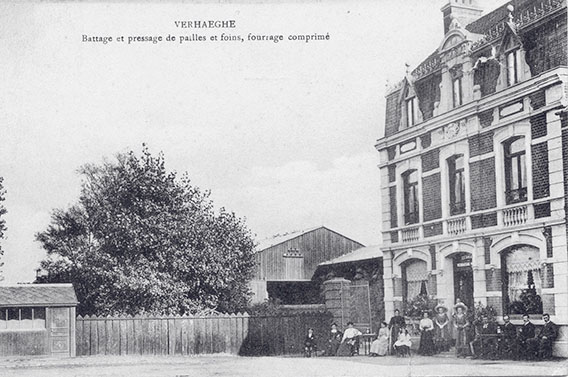
THE ORIGINS
Our heritage spans centuries of farming and care for our ecosystems. It honours the generations before us, who combined mixed farming with livestock rearing and passed their knowledge from fathers to sons and mothers to daughters.
17th to 20th centuries
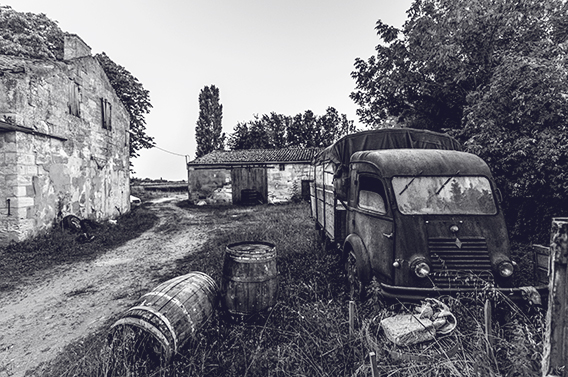
THE FIRST STEPS TOWARDS WHO WE ARE TODAY
In the early 1980s, a growing desire to rethink winemaking methods takes root, paving the way for major changes and greater authenticity.
End of the 20th century
ORGANIC FARMING STANDARDS
Under the leadership of Matthieu, the owner, organic farming standards are introduced across our farms. His commitment to organic farming is a natural expression of his respect for the ecosystem. This is a pioneering approach in the region.
2001
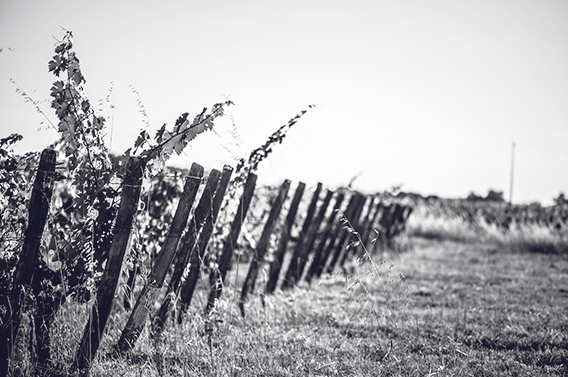
ACQUISITION OF A VINEYARD PLOT IN SAINT-ÉMILION
The estate is established on the terraces of Figeac with the acquisition of a small, high-quality vineyard plot, supporting the development of organic wines from this exceptional terroir.
2003
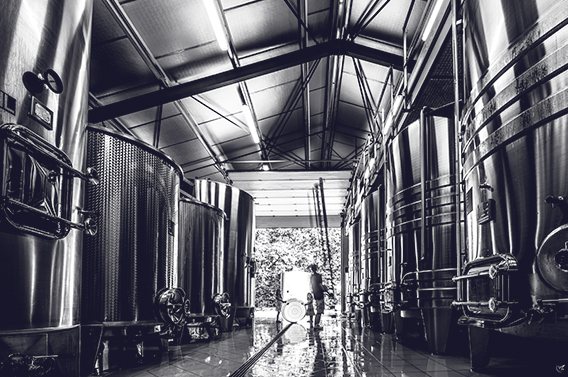
MODERNISATION OF WINEMAKING FACILITIES
The owners expand the estate and reorganise the château for its next stage of development. They acquire a barn and install a modern winery, supporting their long-term plans while preserving their independence.
2012
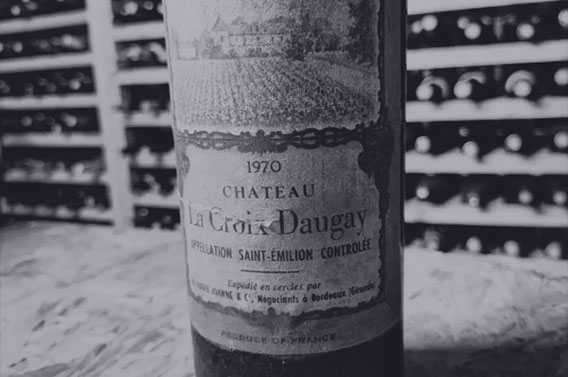
EXPANSION OF THE ESTATE IN THE CÔTE DAUGAY TERROIRS
Château La Croix Daugay is acquired and incorporated into Château Fleur Ursuline’s production. Major works begin. Cabernet Franc, better suited to this hillside terroir, will be planted here. Dozens of trees and hundreds of metres of hedgerows accompany the renewal of the vineyard.
2019
The next chapter of Fleur Ursuline’s history
Organic farming is a long-term commitment that reflects Matthieu and Karine’s respect for the land as owners of the château. Discover the vision that guides the estate today.